Let’s address the elephant in the room: the used car industry can be incredibly intimidating.
If you aren't a "car person," or if you are an expat navigating a language barrier, walking onto a dealership lot in Hungary can feel like stepping into a trap. Sellers often use aggressive sales tactics or hide behind condescending mechanical jargon to pressure you into a quick decision.
But here is the truth: you do not need to know how to rebuild an engine to do a proper test drive. You just need to know how to take control of the situation. Here is the CarSherpa no-nonsense guide to testing a used car—and how to spot the red flags without getting talked down to.
1. The Cold Start is Non-Negotiable
Before you even get in the car, touch the hood. Is it warm? If the seller warmed up the car before you arrived, it is a massive red flag.
The most expensive mechanical failures (like a stretched timing chain, worn-out diesel injectors, or a failing starter motor) make terrible noises when the engine is completely cold. Once the oil heats up and circulates, those noises magically disappear. Always insist on being there for the very first start of the day.
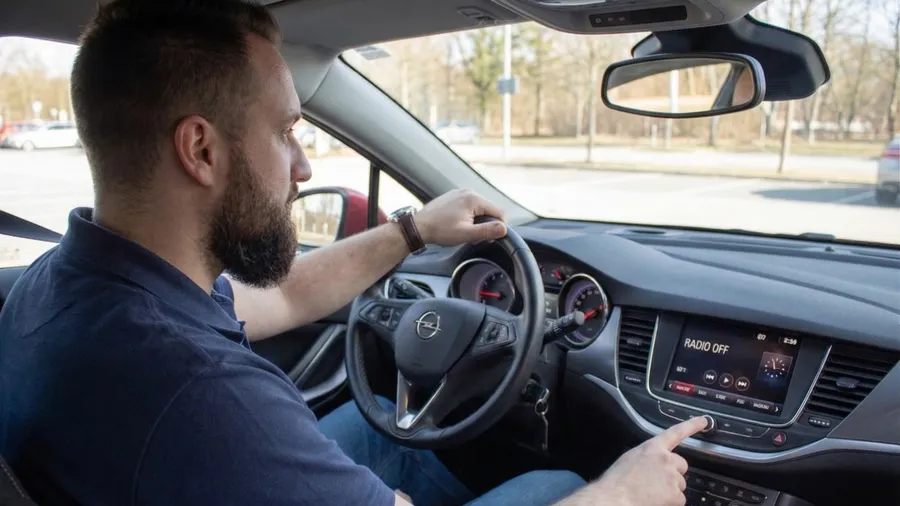
2. Turn Off the Radio and the AC
A classic seller trick is to start the car and immediately turn up the radio or blast the air conditioning "to show you how well it works." They are actually trying to drown out the sound of the engine.
Turn the radio completely off. Roll down the windows slightly. Listen. A healthy engine should have a steady, rhythmic hum. If you hear rhythmic tapping, metallic clanking, or a high-pitched whine that changes when you step on the gas, walk away.
3. The "Hands-Off" Brake Test
Find a straight, empty stretch of road. While driving at a moderate speed (around 50 km/h), take your hands slightly off the steering wheel and brake firmly.
- Does the car pull violently to the left or right? You have a stuck brake caliper or serious suspension issues.
- Does the steering wheel violently shake in your hands? The brake rotors are warped.
If the seller tries to tell you "it just needs an alignment," do not believe them. It is rarely that simple.
4. Check the "Biting Point" (Manual Transmissions)
If you are buying a manual car, pay close attention to the clutch pedal. When you slowly release it to start moving, where does the car actually start to roll?
If you have to lift your foot almost entirely off the pedal before the car moves (a "high biting point"), the clutch is completely worn out. A clutch replacement on modern cars often requires a new dual-mass flywheel, which can easily cost over 300,000 HUF.
5. Don't Let Them Drive You
Never let the seller drive the car while you sit in the passenger seat. You cannot feel a slipping automatic transmission or a stiff clutch from the passenger side. If the car has no license plates, ask the dealer to put on their temporary red "P" plates so you can legally drive it. If they refuse, do not buy the car.
5+1. Bring an Interpreter (Or a Professional)
You should never feel pressured, rushed, or patronized when spending millions of Forints.
At CarSherpa, we built our business to level the playing field. We act as your mechanical translator and your shield against aggressive sales tactics. We handle the test drive, plug into the car's computer, measure the paint thickness, and give you the pure, objective facts in plain English—no double-talk, no condescension.